
The luxury consumer of 2026 is more connected, informed, and selective than ever before. Yet despite rapid technological change and evolving consumer behavior, the foundations of luxury remain unchanged.
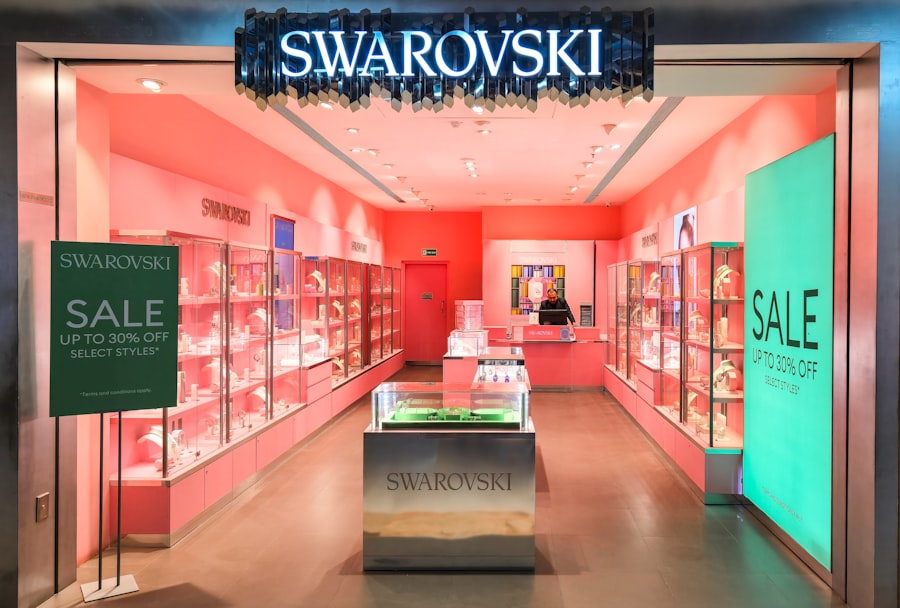
Luxury continues to be defined by exceptional quality, scarcity, distinctive brand signatures, controlled distribution, personalization, memorable experiences, and a price that reinforces exclusivity.
What has changed is not the definition of luxury itself, but the expectations surrounding how luxury brands engage with their clients.
Today’s High-Net-Worth Individuals expect brands to deliver excellence consistently across physical and digital environments while maintaining the exclusivity and emotional resonance that define true luxury.
- Yet despite rapid technological change and evolving consumer behavior, the foundations of luxury remain unchanged.
- Luxury continues to be defined by exceptional quality, scarcity, distinctive brand signatures, controlled distribution, personalization, memorable experiences, and a price that reinforces exclusivity.
New Consumer Expectations: Beyond Products and Services
The modern luxury consumer is no longer looking solely for ownership. They are looking for relevance, meaning, and emotional connection.
Affluent consumers increasingly choose brands that align with their lifestyle, values, and aspirations. They seek brands with a clear identity, authentic heritage, and a compelling story to tell.
Brand heritage, craftsmanship, savoir-faire, and values communication have become powerful differentiators in a marketplace where products alone are no longer enough.
Luxury consumers want to understand not only what a brand creates, but why it exists.
The strongest brands today successfully transform products into symbols of identity and belonging.
The Challenge of Personalization
Personalization has always been a cornerstone of luxury, but in 2026 the expectations are significantly higher.
Clients no longer compare luxury brands exclusively with their direct competitors. Instead, they compare every experience with the best experience they have ever had.
They expect brands to remember preferences, anticipate needs, recognize purchasing behaviors, and deliver highly relevant interactions at every touchpoint.
However, the challenge for luxury brands is finding the balance between personalization and privacy.
Affluent consumers appreciate recognition but reject intrusion. They value tailored experiences, yet remain highly sensitive to how their personal information is collected and used.
Affluent consumers appreciate recognition but reject intrusion.
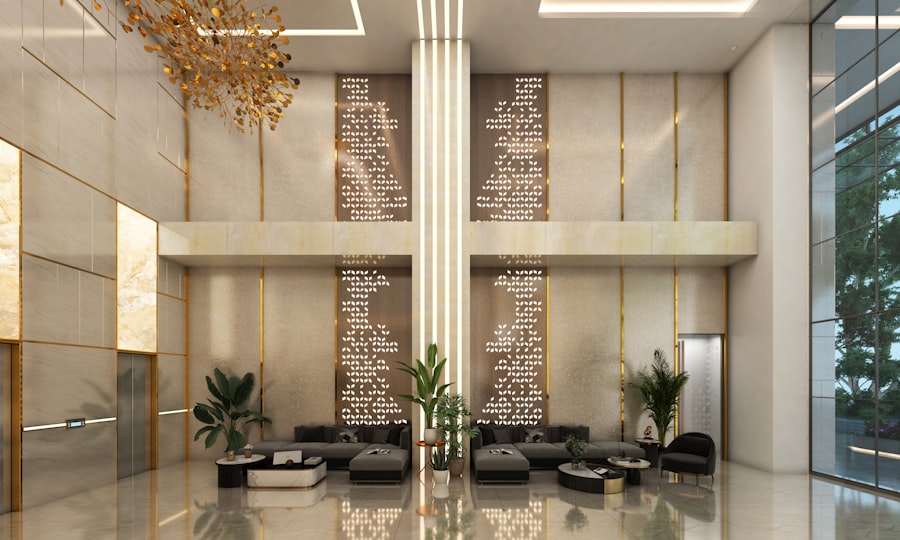
The brands that succeed are those capable of creating highly personalized services while maintaining discretion, trust, and elegance.
Innovation Without Compromising Luxury Codes
Innovation continues to reshape the luxury industry, but successful brands understand that innovation should enhance luxury rather than replace it.
Consumers expect brands to embrace innovation in ways that improve convenience, service quality, customer experience, and operational excellence.
At the same time, innovation must never undermine the core luxury values of craftsmanship, exclusivity, rarity, and emotional connection.
The most successful luxury brands are those that seamlessly combine heritage with modernity, preserving their identity while remaining culturally relevant.
Innovation is no longer a competitive advantage. It has become an expectation.
Experiential Spaces as Strategic Brand Assets
Luxury retail is evolving from transactional environments into immersive brand destinations.
Flagship stores, hospitality venues, wellness clinics, private clubs, and brand activations are increasingly designed as experiential spaces that allow consumers to engage with the brand universe on a deeper emotional level.
These spaces serve a purpose beyond sales. They communicate values, reinforce brand identity, create memorable moments, and foster long-term relationships.
For luxury consumers, the experience surrounding the product is often as important as the product itself.
Brands that invest in meaningful experiences strengthen both desirability and loyalty.
Digital Luxury and the Omnichannel Reality
The distinction between online and offline luxury is rapidly disappearing.
Today’s HNWI consumer expects a seamless transition between digital platforms, physical locations, private events, customer service interactions, and social channels.
Whether discovering a brand through social media, booking a private appointment online, attending an invitation-only event, or completing a purchase in-store, every interaction must feel connected and consistent.
This omnichannel expectation presents one of the greatest challenges for luxury brands. Consistency across every touchpoint is no longer optional—it is essential.
The objective is not simply digital transformation, but the creation of a unified luxury ecosystem where the brand experience remains coherent regardless of channel.
The Future of Luxury Is Human-Centered
Technology, data, and innovation will continue to transform the luxury landscape, but the most valuable luxury asset remains unchanged: human relationships.
Luxury is ultimately built on trust, emotion, recognition, and personal connection.
The brands that will lead in 2026 are not necessarily those with the largest digital budgets or the most advanced technology. They are the brands that successfully combine innovation with authenticity, personalization with discretion, and digital convenience with meaningful human interaction.
Because while luxury continues to evolve, its purpose remains the same: to create exceptional value through quality, rarity, emotion, and unforgettable experiences.